What are Backlinks? A Beginner's Guide to Link Building in SEO
Backlinks are links from other websites that point to your website, and search engines see them as votes of trust. The more relevant, quality sites that link to you, the higher your pages can rank on Google. This beginner's guide explains what backlinks are, the different types, and simple steps to build them the right way
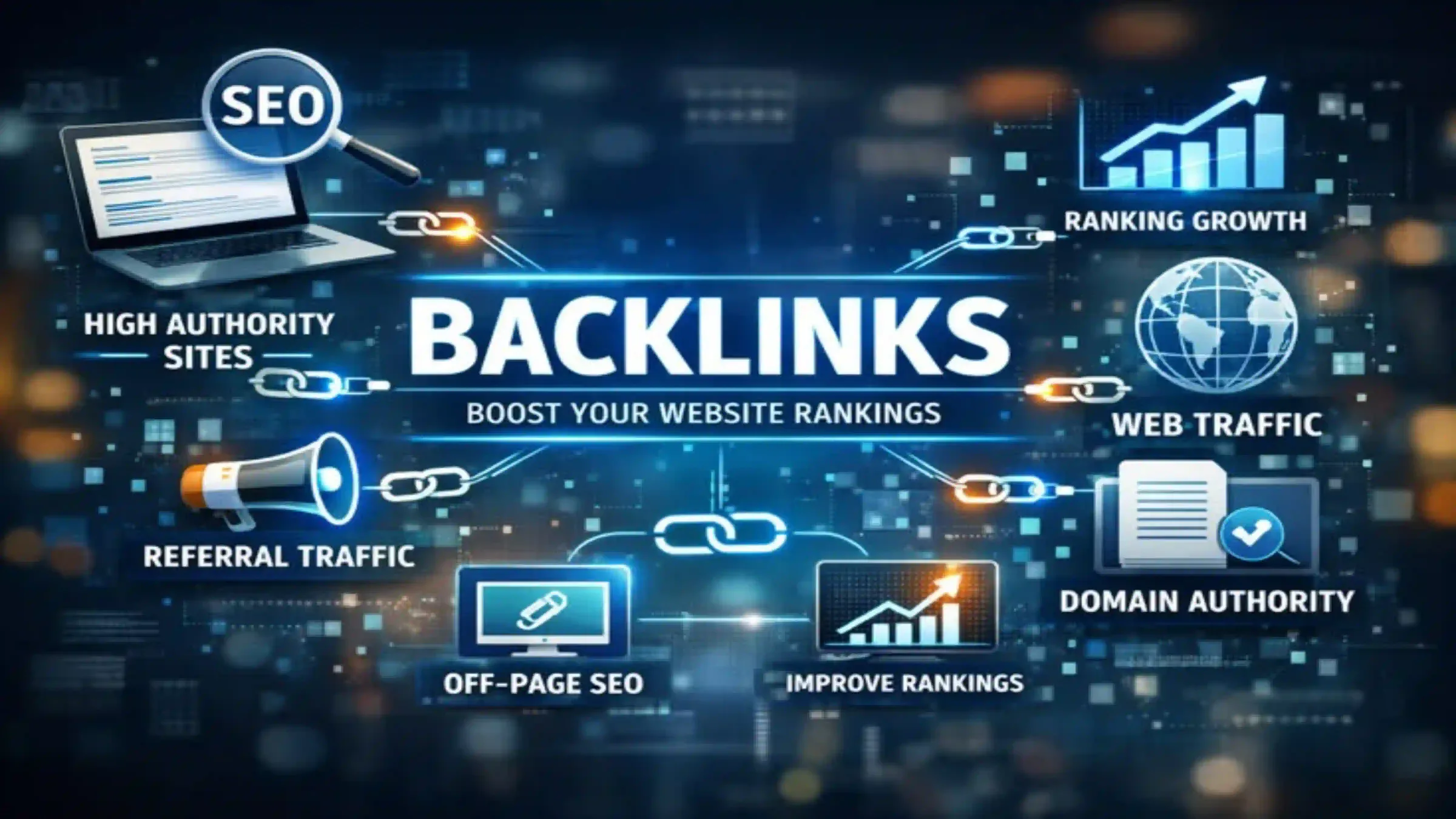
Backlinks are links from other websites that point to your website, and search engines see them as votes of trust. The more relevant, quality sites that link to you, the higher your pages can rank on Google. This beginner's guide explains what backlinks are, the different types, and simple steps to build them the right way.
On this page
- Introduction
- In This Article
-
- What are Backlinks?
-
- Why are Backlinks Important?
-
- How Do Backlinks Work?
-
- Types of Backlinks
-
- Backlink Best Practices
-
- Guide to Building Backlinks
-
- Backlink Tutorial
-
- Conclusion
Introduction
Backlinks are links from other websites that point to your website. Search engines treat them like votes of trust: the more quality sites that link to you, the more credible your content looks. Backlinks are a core part of off-page SEO and one of the strongest signals for ranking higher on Google.
In This Article
- What are Backlinks?
- Why are Backlinks Important?
- How Do Backlinks Work?
- Types of Backlinks
- Backlink Best Practices
- Guide to Building Backlinks
- Backlink Tutorial
- Conclusion
1. What are Backlinks?
A backlink is a link on another website that leads to a page on your site. For example, if a local business directory or a news website links to your service page, that link is a backlink for you. Backlinks are also called inbound links or incoming links.
2. Why are Backlinks Important?
Backlinks help search engines discover your pages, judge your authority, and decide how well you should rank. Quality backlinks improve rankings, bring referral traffic, and build brand trust. One link from a relevant, trusted website is worth more than many links from weak or unrelated sites.
3. How Do Backlinks Work?
Search engines follow links from page to page. When a trusted website links to yours, it passes some of its authority to your page. Google looks at the quality of the linking site, how relevant it is to your topic, and the anchor text used in the link. Relevant, natural links help your pages rank for your target keywords.
4. Types of Backlinks
- Dofollow backlinks: pass authority to your site and help rankings.
- Nofollow backlinks: do not pass full authority but still bring traffic and make your link profile look natural.
- Editorial backlinks: earned when others link to your content because it is useful.
- Guest post backlinks: links from articles you write for other websites.
- Directory and citation backlinks: links from business listings, such as local directories.
- Social and profile backlinks: links from your business profiles and social pages.
5. Backlink Best Practices
Focus on quality over quantity. Get links from relevant, trusted websites, use natural anchor text, and vary your link sources. Create content worth linking to, avoid buying links or using link farms, and check your backlink profile regularly. Bad or spammy links can hurt your rankings.
6. Guide to Building Backlinks
Here are proven ways to build backlinks:
- Create link-worthy content: guides, checklists, original data, and tools that others want to reference.
- Guest posting: write helpful articles for relevant websites in your industry.
- Business directories: list your business on trusted local and industry directories with consistent details.
- Broken link building: find broken links on other sites and suggest your page as a replacement.
- Digital PR and partnerships: share news, case studies, and collaborations with local media, clients, and partners.
- Internal linking support: link your own related pages together so the authority from backlinks flows across your site.
7. Backlink Tutorial
Follow these steps to start building backlinks:
- Audit your current backlinks. Use a backlink checker to see who already links to you.
- Pick your target pages. Choose the pages you want to rank, such as service pages and key blogs.
- Create valuable content. Write guides or resources that give people a reason to link.
- Find link opportunities. Look at directories, guest post sites, and the websites linking to your competitors.
- Reach out. Send a short, personal message explaining why your content is useful to their audience.
- Track and clean up. Monitor new links, and disavow harmful or spammy ones if needed.
8. Conclusion
Backlinks remain one of the most important ranking factors in SEO. Build them steadily, focus on relevance and quality, and pair them with great content and strong on-page SEO. Over time, a healthy backlink profile builds authority, traffic, and trust for your website.
Need help building quality backlinks?
Talk to Arctovion Tech about SEO, link building, and digital marketing for your business.
[Book a free consultation]
Frequently Asked Questions
What are backlinks in SEO?
Backlinks are links from other websites that point to your website. Search engines use them as a signal of trust and authority.
Why are backlinks important for SEO?
They help improve rankings, bring referral traffic, and build your website's credibility.
What is the difference between dofollow and nofollow backlinks?
Dofollow links pass authority to your site, while nofollow links tell search engines not to pass full authority. A healthy profile has both.
How many backlinks do I need to rank?
There is no fixed number. A few links from relevant, trusted websites can beat many low-quality links.
Are paid backlinks safe?
Buying links goes against Google's guidelines and can lead to penalties. Earn links through quality content and genuine outreach instead.
How long do backlinks take to improve rankings?
It varies by competition and link quality, but it usually takes weeks to months to see a clear impact.
Need help growing online?
Talk to Arctovion Tech about websites, SEO, ads, or custom software for your business.
Book a free consultation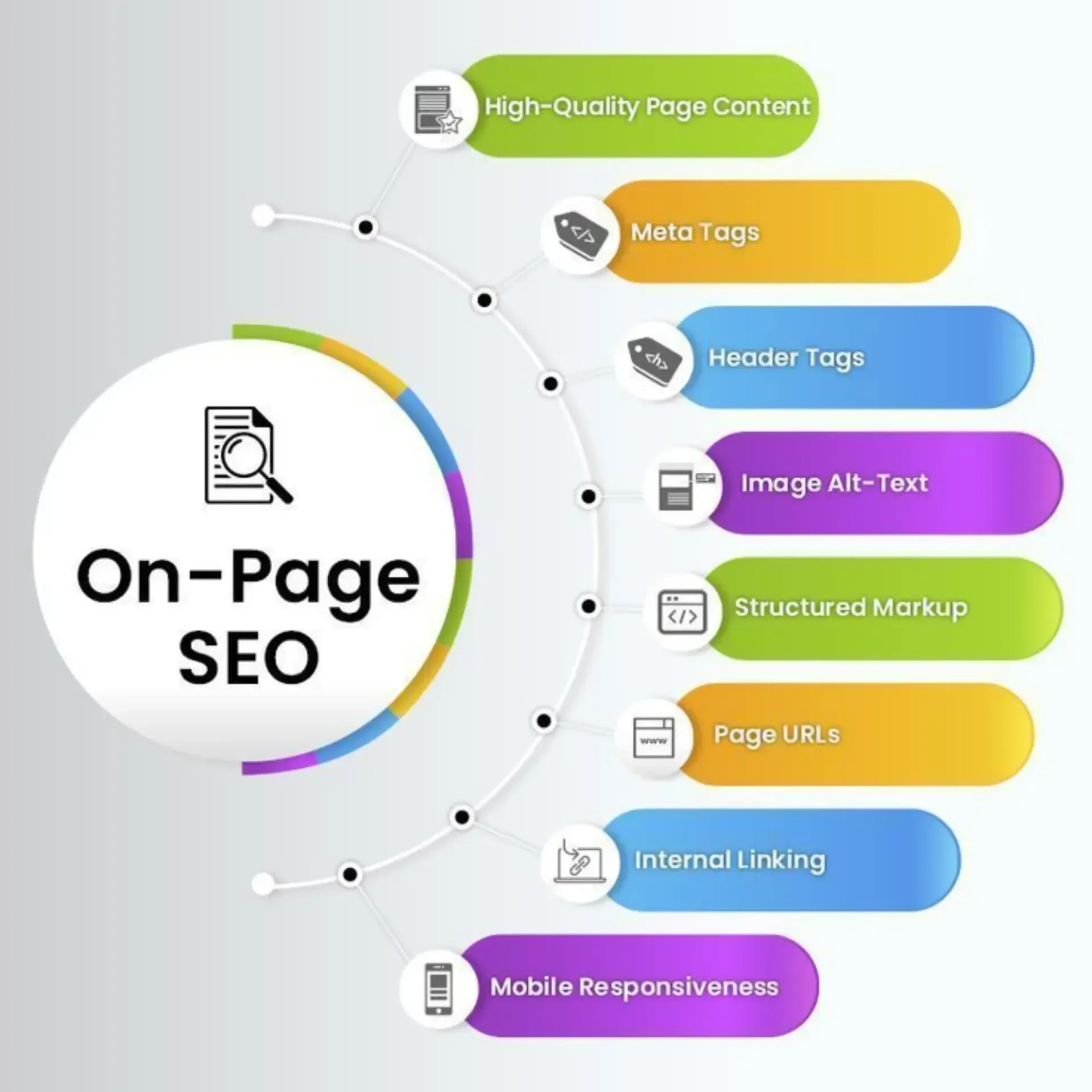 SEO
SEO
What is On-Page SEO? A Beginner's Guide to Optimizing Your Web Pages
On-page SEO is the practice of optimizing your web pages, including content, titles, headings, images, and internal links, so search engines understand them and users enjoy them. This beginner's guide covers the key elements, a simple checklist, and step-by-step tips to help your pages rank higher on Google.
 SEO
SEO
What is Search Intent? A Beginner's Guide to User Intent
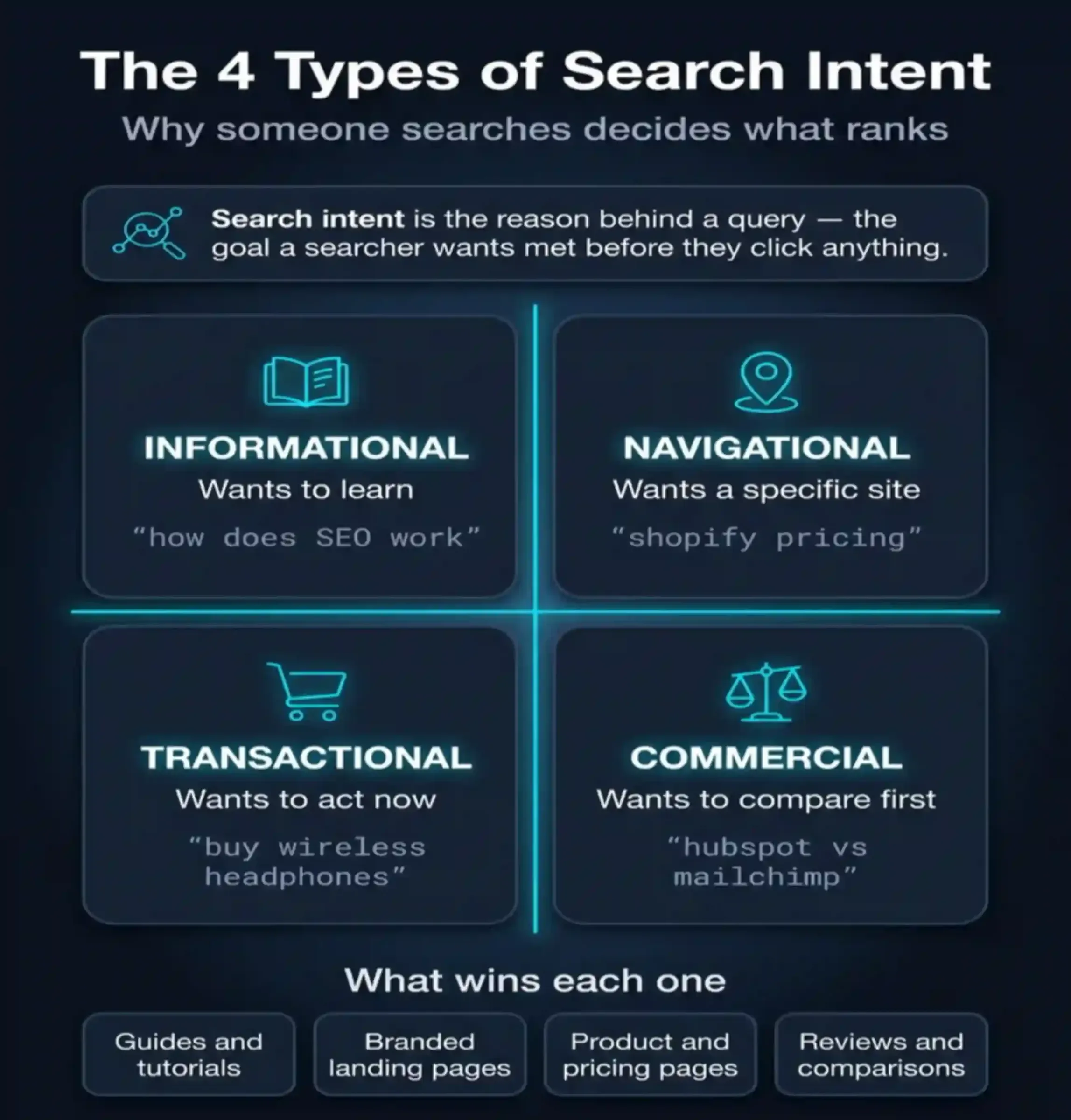
Search intent is the reason behind a search query. For the topic of SEO, people searching are at very different stages: some are asking what SEO even means, others are comparing agencies, and some are ready to hire. The blog should match the intent of the keyword it targets, and support the other three through links and CTAs.
 SEO
SEO
What is SEO
Learn what SEO is, how it works, its key types, and the best practices businesses can use to improve search visibility, attract organic traffic, and generate more leads.
 Digital Marketing
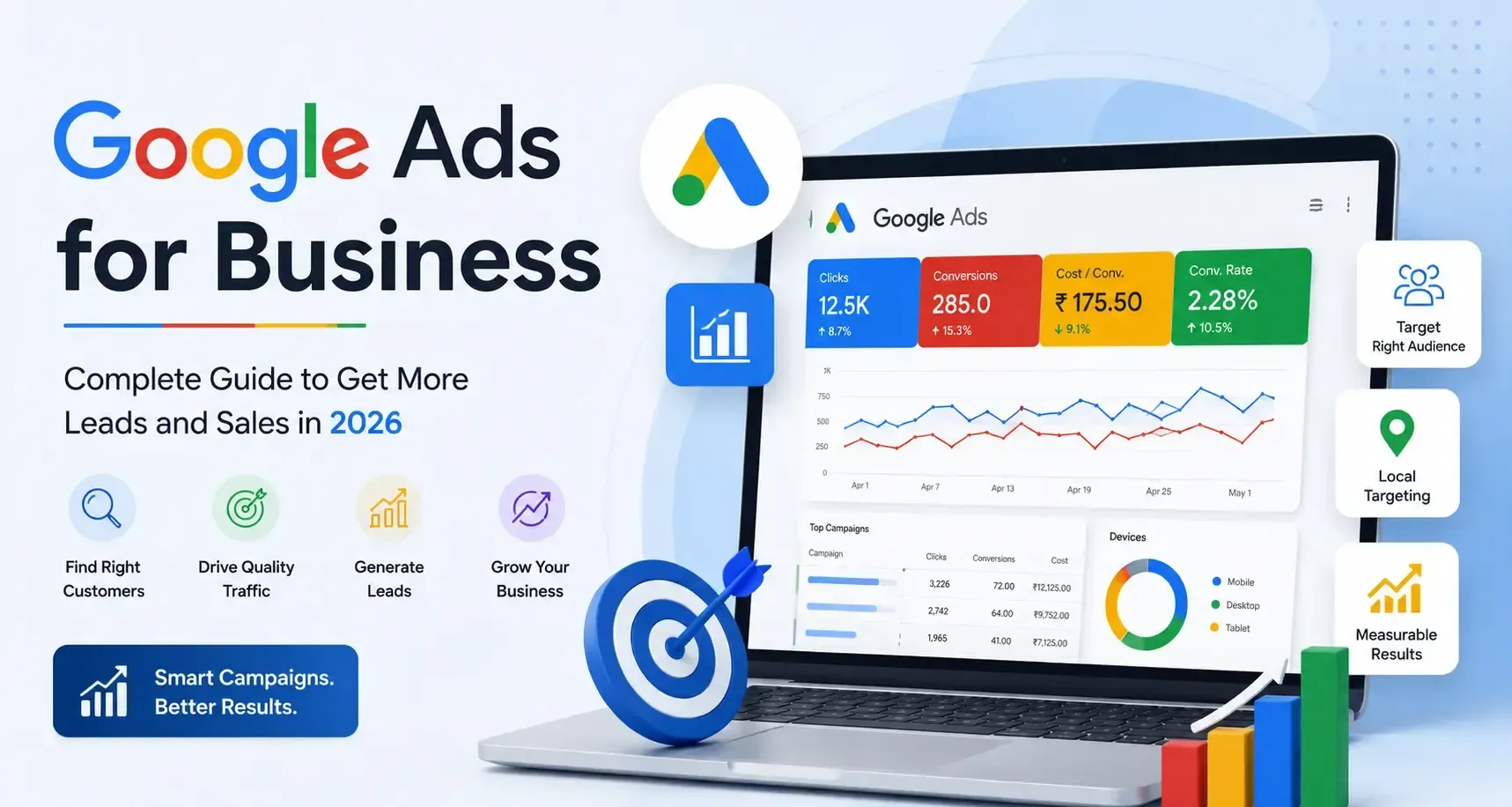
Google Ads for Business: Complete Guide
Discover how Google Ads can help businesses reach potential customers, generate qualified leads, increase sales, and build a measurable digital marketing strategy.
 Digital Marketing
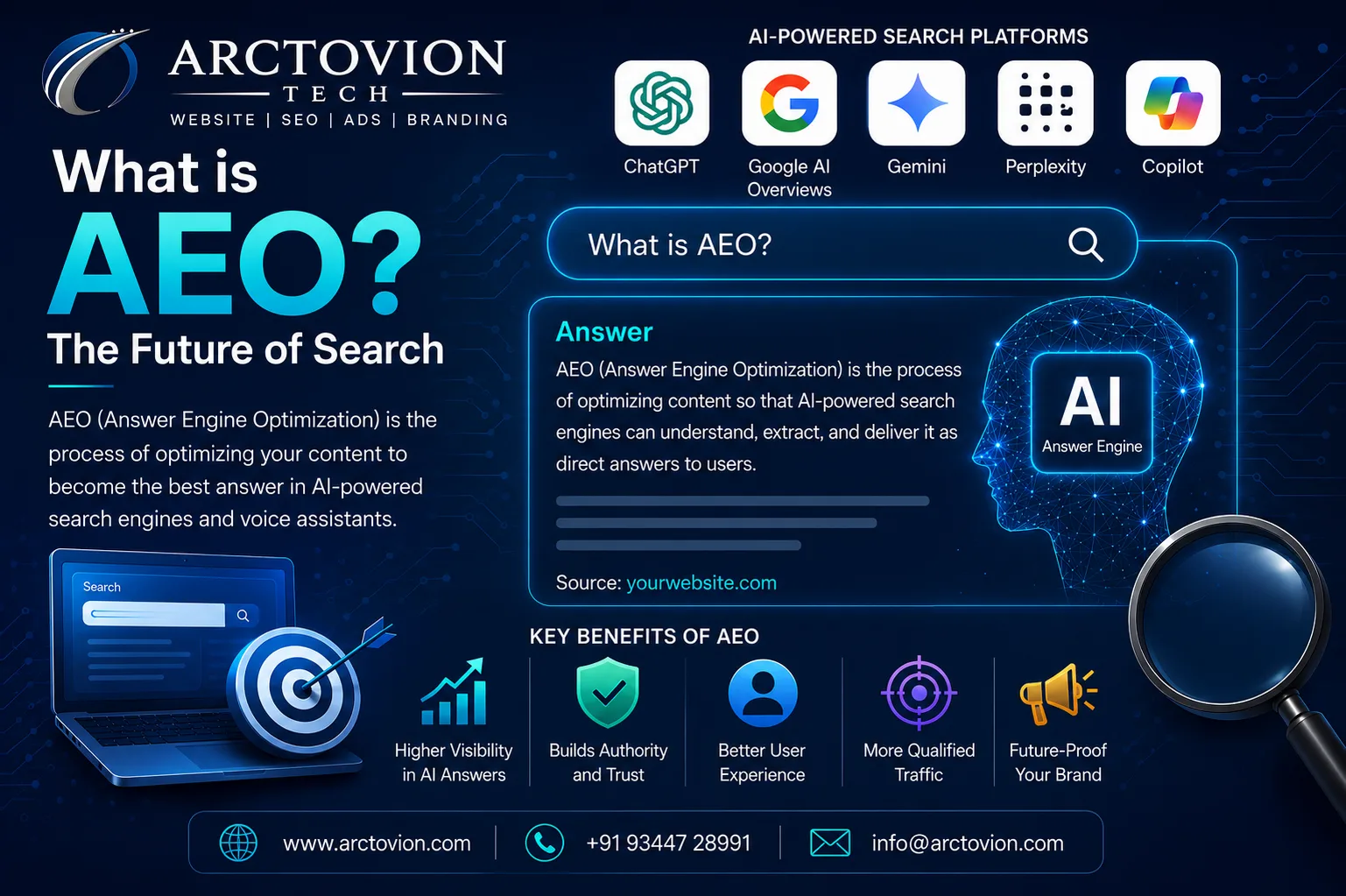
What is AEO? The Future of Search in the Age of AI
Learn what Answer Engine Optimization (AEO) is, how it differs from traditional SEO, and how to optimize your content for AI-powered search engines like ChatGPT, Gemini, and Google AI Overviews.
 ABOUT
ABOUT
Why We Founded Arctovion Tech
Discover why Arctovion Tech was founded as a custom software development company in Chennai to help businesses build tailored software, web applications, mobile apps, and digital solutions that simplify operations and support long-term growth.
Comments
Join the discussion — comments are moderated before they appear.
Loading…