What is Search Intent? A Beginner's Guide to User Intent
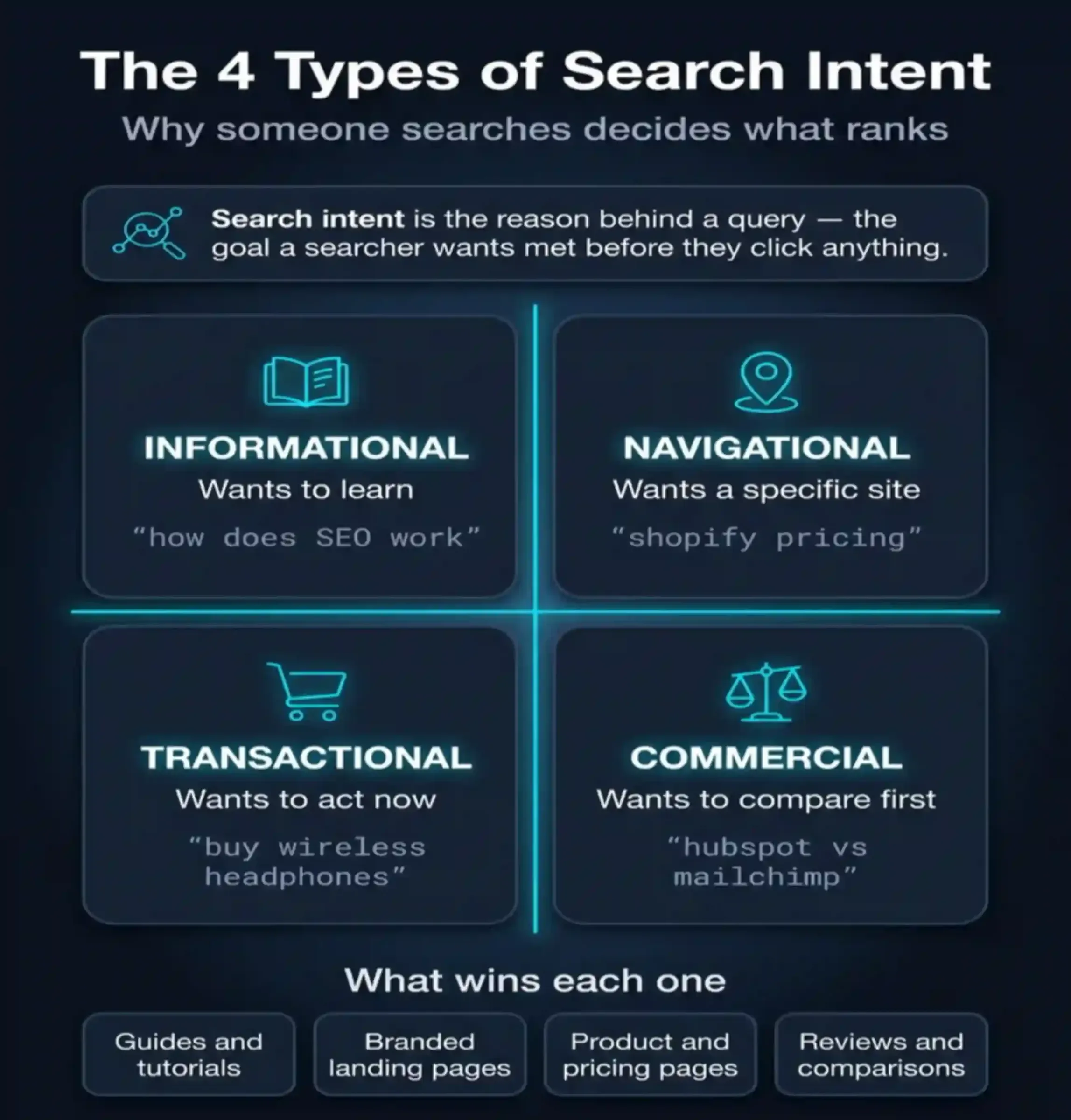
Search intent is the reason behind a search query. For the topic of SEO, people searching are at very different stages: some are asking what SEO even means, others are comparing agencies, and some are ready to hire. The blog should match the intent of the keyword it targets, and support the other three through links and CTAs.
What is Search Intent? A Beginner's Guide to User Intent
Meta description: Learn what search intent is, why it matters for SEO, the 4 types of search intent, and how to match your content to what users are really searching for.
Target keywords: search intent, user intent, what is search intent, types of search intent, search intent in SEO, informational intent, navigational intent, commercial intent, transactional intent, search intent examples, how to find search intent, keyword intent
On this page
- Introduction
- In This Article
-
- What is Search Intent?
-
- Why is Search Intent Important?
-
- How Does Search Intent Work?
-
- Types of Search Intent
-
- Search Intent Best Practices
-
- Guide to Matching Search Intent
-
- Search Intent Tutorial
-
- Conclusion
Introduction
Search intent (also called user intent) is the reason behind a search query. It tells you what a person really wants when they type something into Google. Understanding search intent helps you create content that ranks higher, attracts the right visitors, and turns them into leads.
In This Article
- What is Search Intent?
- Why is Search Intent Important?
- How Does Search Intent Work?
- Types of Search Intent
- Search Intent Best Practices
- Guide to Matching Search Intent
- Search Intent Tutorial
- Conclusion
1. What is Search Intent?
Search intent is the purpose behind a user's search. Someone searching "what is SEO" wants to learn, while someone searching "hire SEO expert in Chennai" wants to take action. Search engines try to show the result that best fits that purpose.
2. Why is Search Intent Important?
Google ranks pages that satisfy the user's need, not just pages that contain the keyword. Matching search intent improves rankings, reduces bounce rate, increases engagement, and brings in visitors who are more likely to convert.
3. How Does Search Intent Work?
When a user enters a query, search engines analyse the words used, the user's context, and past behaviour to understand what they want. They then rank pages by relevance, content type, and quality. If your page matches the intent, it has a better chance of ranking.
4. Types of Search Intent
There are four main types of search intent:
- Informational Intent: the user wants to learn something (e.g. "what is GST billing software").
- Navigational Intent: the user wants to reach a specific website or page (e.g. "Arctovion Tech contact").
- Commercial Investigation Intent: the user is comparing options before buying (e.g. "best digital marketing agency in Chennai").
- Transactional Intent: the user is ready to buy or hire (e.g. "hire SEO expert Chennai").
Each type needs a different kind of content to satisfy the searcher.
5. Search Intent Best Practices
Check the top-ranking pages for your keyword, match the content format (guide, comparison, or service page), answer the query early, use intent-based calls to action, and keep one primary intent per page. Always write for the user first, then optimise for search engines.
6. Guide to Matching Search Intent
Match each intent to the right content type:
- Informational: blog posts, how-to guides, FAQs
- Navigational: homepage, contact page, service pages
- Commercial: comparison posts, reviews, case studies
- Transactional: service pages, product pages, landing pages with a clear CTA
Use signal words in keywords to spot intent: what, how, guide (informational), best, top, vs, review (commercial), and buy, hire, price, quote, demo (transactional).
7. Search Intent Tutorial
Follow these steps to find and target search intent:
- Choose your keyword. Start with the topic you want to rank for.
- Search it on Google. Look at the top 10 results and note whether they are blogs, product pages, videos, or comparisons.
- Identify the intent. Decide if it is informational, navigational, commercial, or transactional.
- Match the format. Create the same type of content, but make it more useful and complete.
- Add the right CTA. Use "Read next" for informational, "See case studies" for commercial, and "Book a free consultation" for transactional.
- Review and update. Check rankings and engagement, then refine your content.
8. Conclusion
Search intent is the foundation of effective SEO. When your content matches what users are truly looking for, you earn better rankings, stronger engagement, and more conversions. Focus on the user's goal, and your website will grow sustainably.
Need help growing online?
Talk to Arctovion Tech about websites, SEO, ads, or custom software for your business.
[Book a free consultation]
Frequently Asked Questions
What is search intent?
Search intent is the reason behind a user's search query, or what they want to achieve when they search on Google.Why is search intent important for SEO?
Search engines rank pages that satisfy the user's need. Matching search intent improves rankings, engagement, and conversions.What are the 4 types of search intent?
The four types are informational, navigational, commercial investigation, and transactional intent.How do I find the search intent of a keyword?
Search the keyword on Google and study the top results. The type of content that ranks (blog, product page, comparison) shows the intent Google expects.What is the difference between search intent and keywords?
A keyword is the word or phrase a user types. Search intent is the purpose behind it. Two similar keywords can have very different intent.Can one page target more than one search intent?
It is best to target one primary intent per page. Mixing intents can confuse both users and search engines.Need help growing online?
Talk to Arctovion Tech about websites, SEO, ads, or custom software for your business.
Book a free consultation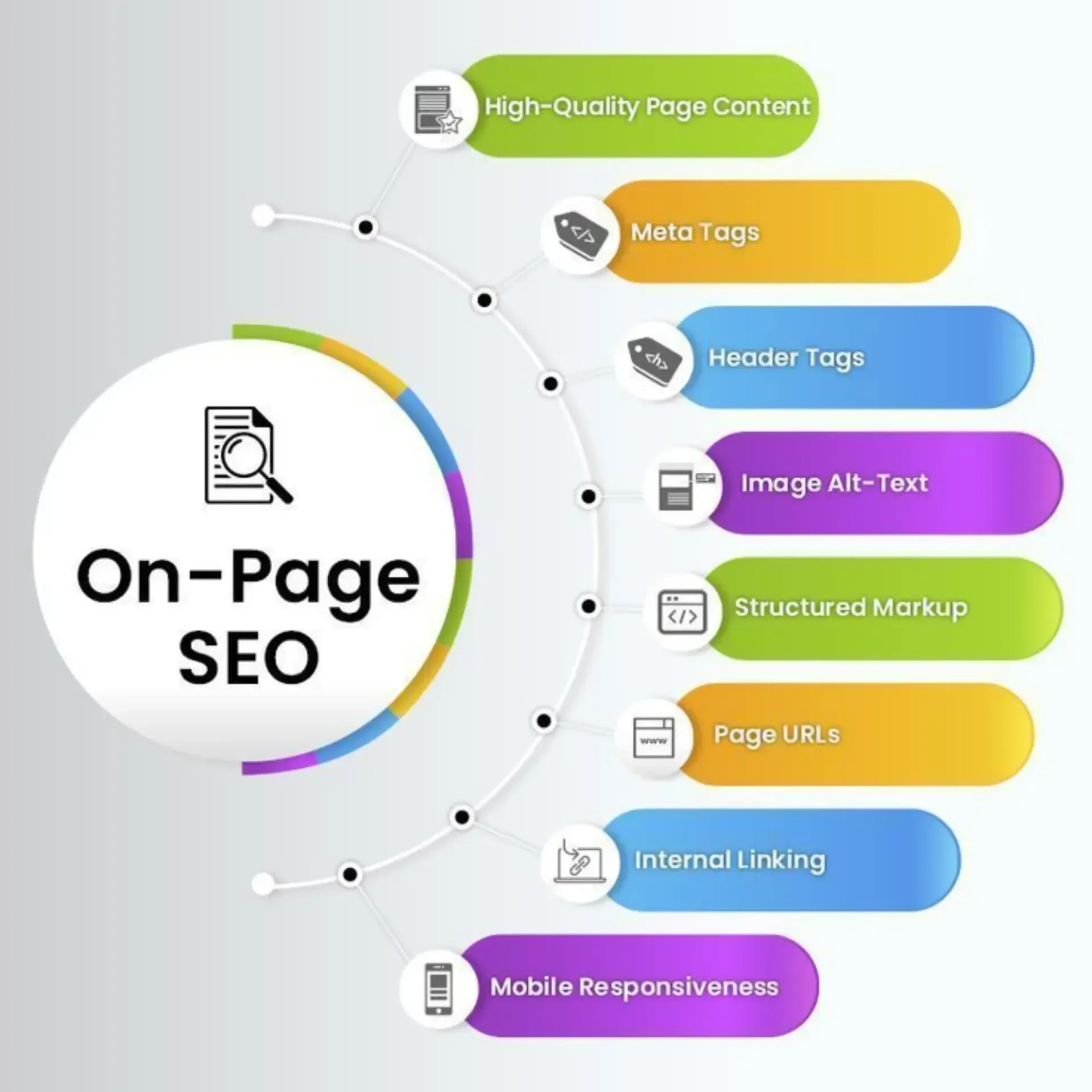 SEO
SEO
What is On-Page SEO? A Beginner's Guide to Optimizing Your Web Pages
On-page SEO is the practice of optimizing your web pages, including content, titles, headings, images, and internal links, so search engines understand them and users enjoy them. This beginner's guide covers the key elements, a simple checklist, and step-by-step tips to help your pages rank higher on Google.
 SEO
SEO
What are Backlinks? A Beginner's Guide to Link Building in SEO
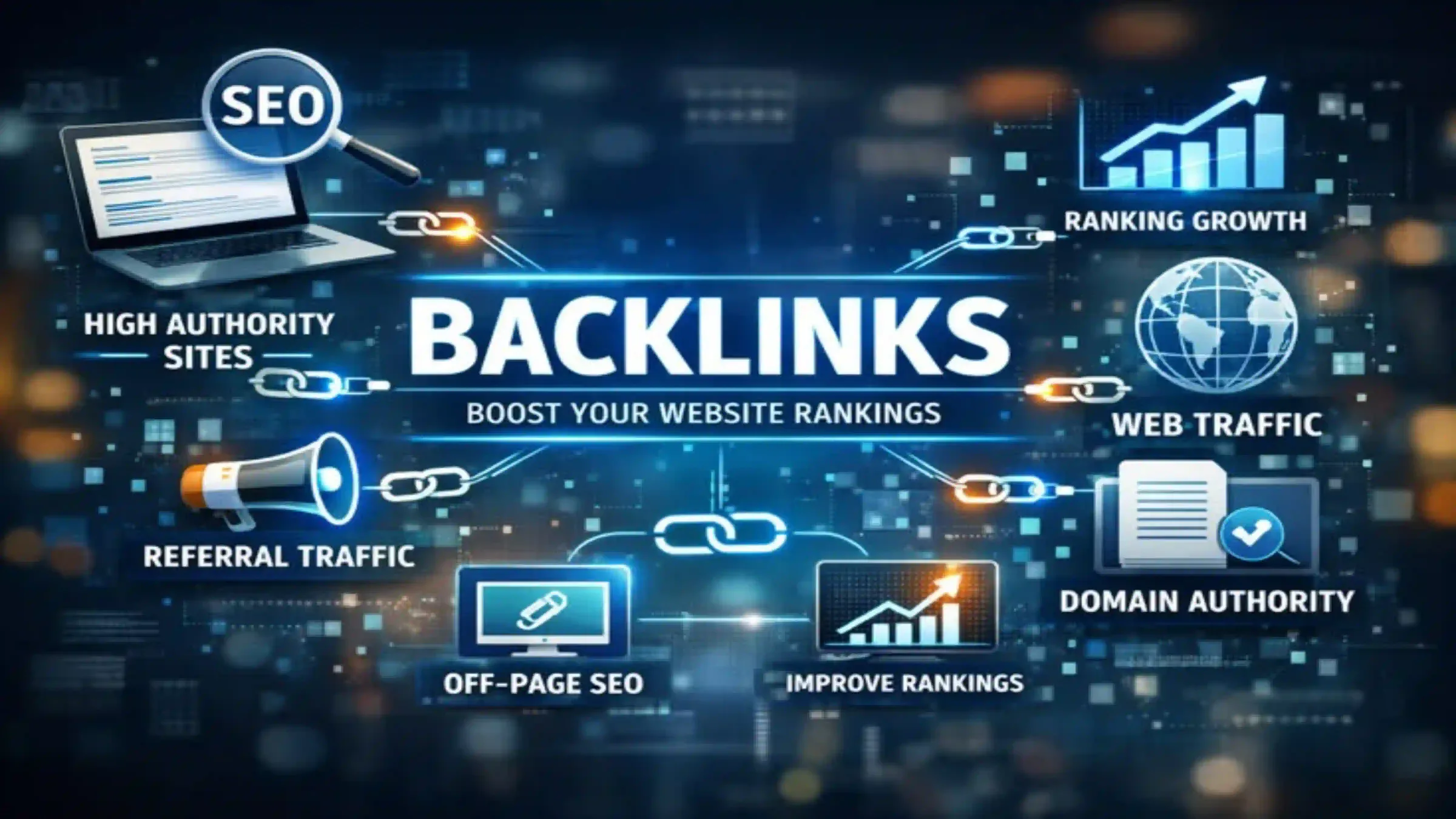
Backlinks are links from other websites that point to your website, and search engines see them as votes of trust. The more relevant, quality sites that link to you, the higher your pages can rank on Google. This beginner's guide explains what backlinks are, the different types, and simple steps to build them the right way
 SEO
SEO
What is SEO
Learn what SEO is, how it works, its key types, and the best practices businesses can use to improve search visibility, attract organic traffic, and generate more leads.
 Digital Marketing
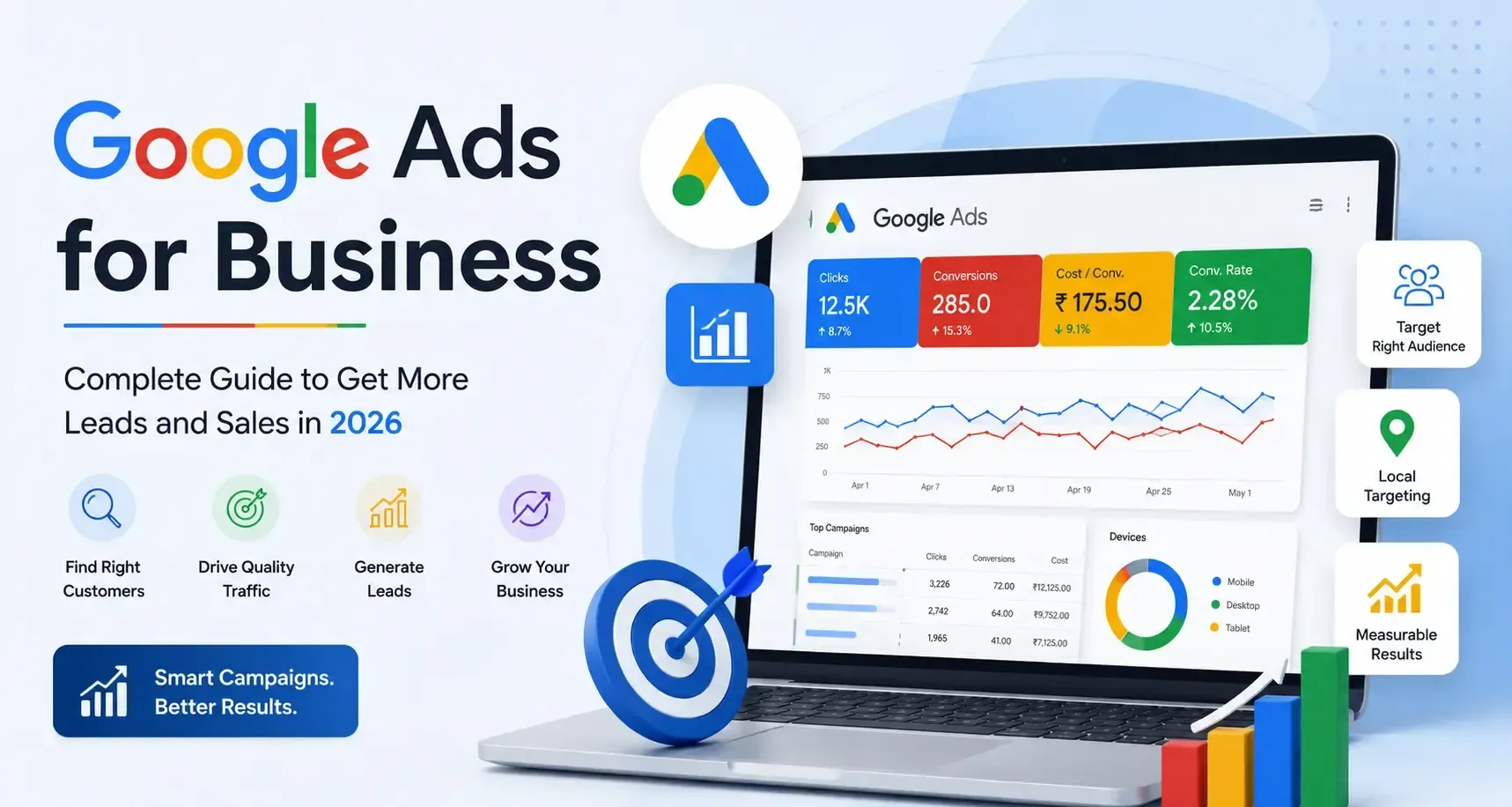
Google Ads for Business: Complete Guide
Discover how Google Ads can help businesses reach potential customers, generate qualified leads, increase sales, and build a measurable digital marketing strategy.
 Digital Marketing
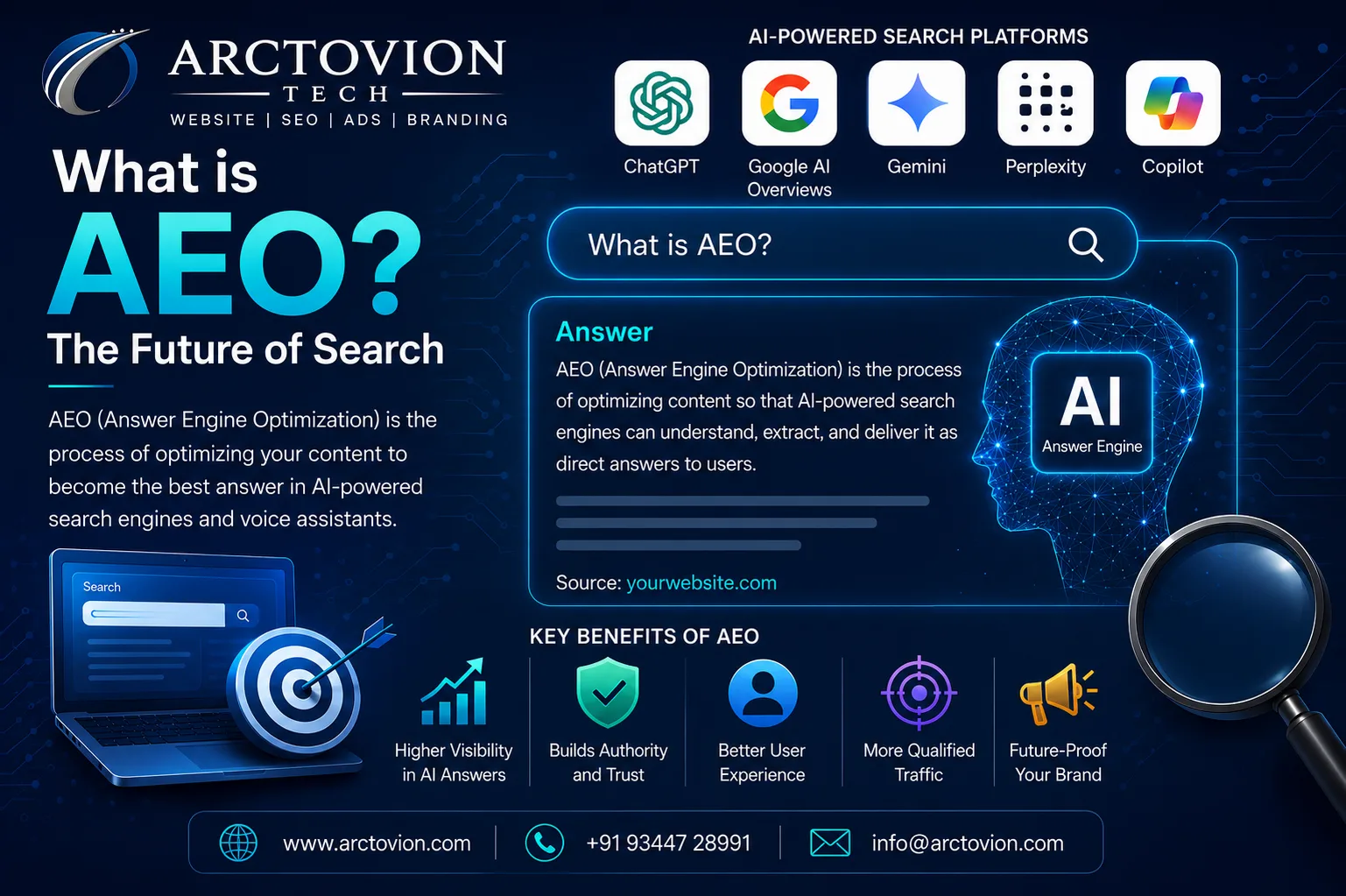
What is AEO? The Future of Search in the Age of AI
Learn what Answer Engine Optimization (AEO) is, how it differs from traditional SEO, and how to optimize your content for AI-powered search engines like ChatGPT, Gemini, and Google AI Overviews.
 ABOUT
ABOUT
Why We Founded Arctovion Tech
Discover why Arctovion Tech was founded as a custom software development company in Chennai to help businesses build tailored software, web applications, mobile apps, and digital solutions that simplify operations and support long-term growth.
Comments
Join the discussion — comments are moderated before they appear.
Loading…